
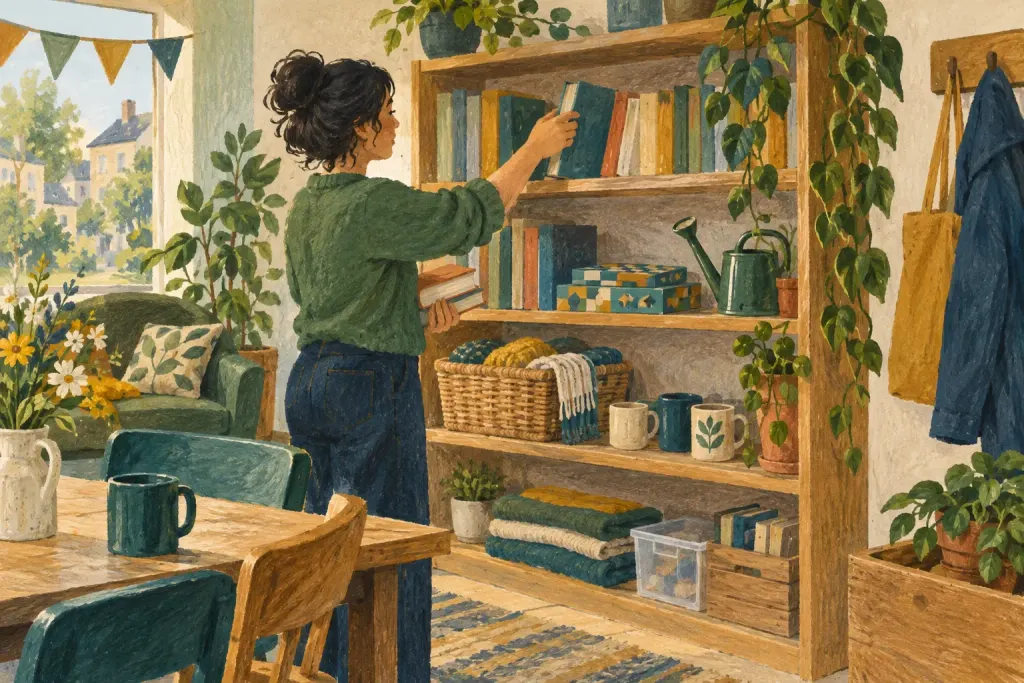
A tidy cupboard becomes confusing when only one volunteer knows its arrangement. A small map inside the door can make returning supplies part of the ordinary routine.
Label locations as well as objects
Give shelves simple names such as upper, middle and lower, then list the kinds of supplies stored there. Match those names to visible labels. “Paper supplies, middle shelf” is more useful than a photograph whose tiny details become unreadable when printed.
Leave room for changes
Add an update date and a contact for corrections. If something moves temporarily, leave a note at its usual position rather than rewriting the entire map in a hurry. Keep restricted materials outside the general system and follow the venue’s access arrangements.
Ask someone unfamiliar with the cupboard to locate and return one ordinary item. Watch where they hesitate without immediately supplying the answer. That brief trial reveals whether the labels work for a newcomer. The aim is not perfect organisation; it is a storage arrangement that can survive the absence of the person who created it.