
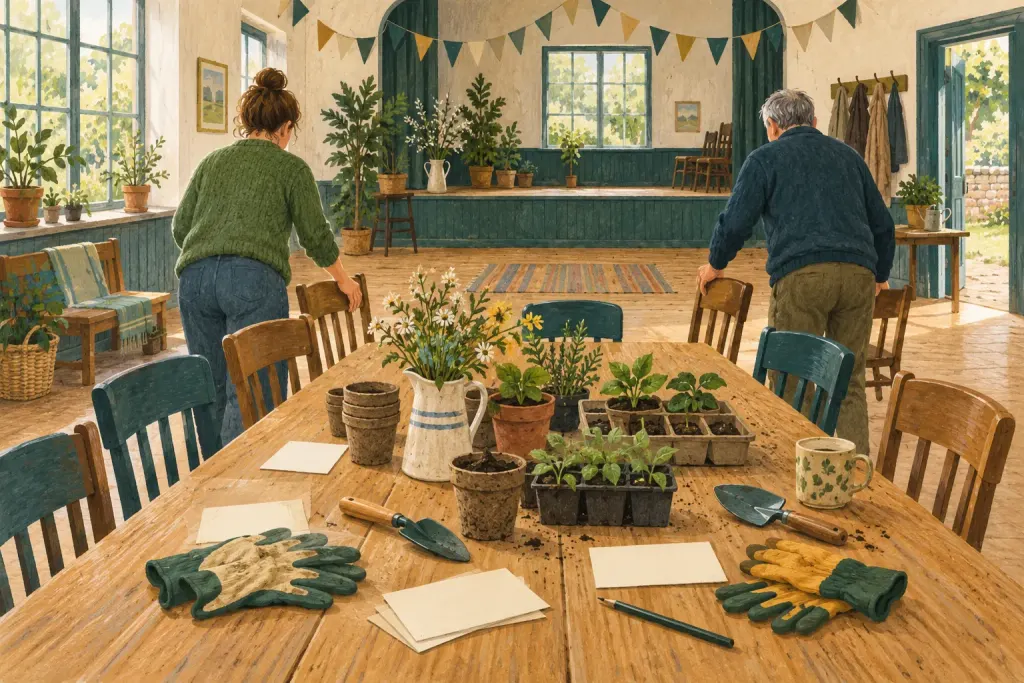
The group photograph is often treated as the easy final task. For a participant who does not want their image shared, it can be the awkwardest moment of the afternoon. A little planning can make the choice visible before anyone lifts a camera.
Explain the intended use early
Say who is taking pictures and where the organiser plans to use them. “Photos for the group” is vague; “a small selection for the public event recap” gives someone a clearer decision. This is a practical communication plan, not a substitute for the consent and privacy requirements that apply to your event.
Make declining workable
Offer a contact at arrival and explain a simple arrangement to the photographer. That might mean a designated photo moment people can step away from, rather than assuming that attendance signals agreement. Avoid a system that publicly labels someone’s personal reason for declining.
An organiser’s plan cannot guarantee what every attendee does with a personal phone. Explain the event’s expectations to everyone and provide a way to raise a concern while the activity is still happening.
Review before sharing
Check the chosen images against the recorded preferences. Read backgrounds too: name badges, sign-in sheets and personal papers can be visible even when the main subject is appropriate. Name the person who can receive a removal request after publication.
Include these details with the practical event invitation, using a short, calm paragraph. The goal is to let people join the activity without having to negotiate an unexpected publicity decision in front of the room.